
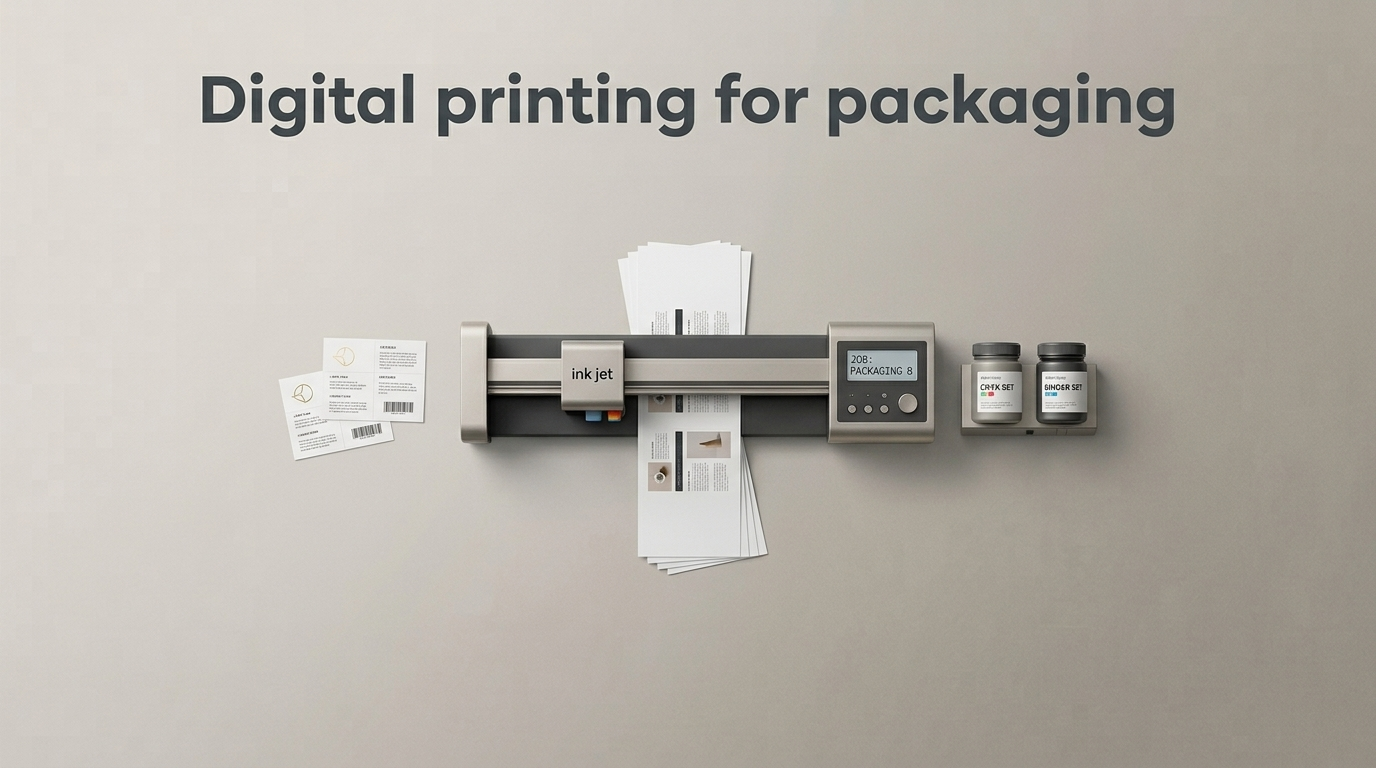
Digital printing for packaging has changed the way brands create, customize, and market their products. In today’s competitive marketplace, packaging is no longer just a protective layer around a product; it is an important part of brand identity and customer experience. Businesses are increasingly choosing digital printing because it offers high-quality designs, faster production, and greater flexibility compared to traditional printing methods.
From startups launching their first products to established companies updating their packaging collections, digital printing provides an efficient way to produce professional and visually appealing packaging. Brands can create custom digital printed packaging with detailed graphics, unique colors, personalized designs, and strong branding elements without the limitations of older printing processes.
What Is Digital Printing for Packaging?
Digital printing for packaging is an advanced printing method where digital artwork is directly printed onto packaging materials using modern printing technology. Unlike traditional printing methods that require printing plates and lengthy preparation, digital printing transfers designs directly from a computer file onto the packaging surface.
This process allows packaging manufacturers to produce detailed artwork, logos, product information, and creative patterns with excellent accuracy. It is widely used for creating digital printed boxes, custom packaging boxes, and branded packaging solutions for different industries.

How Digital Printing Technology Works
The digital printing process begins with creating a packaging design using professional graphic design software. The artwork includes important branding elements such as logos, colors, images, product details, and decorative patterns.
After the design is approved, it is sent directly to a digital printing machine. The printer applies ink onto the packaging material using advanced systems such as inkjet or toner-based technology.
The general process includes:
- Designing the packaging artwork
- Selecting suitable packaging material
- Preparing digital files for printing
- Printing the design directly onto the surface
- Applying finishing options if required
This technology allows businesses to create high-quality packaging without the setup requirements of traditional printing.
Digital Printing vs Traditional Printing
Traditional printing methods such as offset and flexographic printing are still widely used, especially for large production quantities. However, digital printing offers greater flexibility for businesses that need customization and faster turnaround times.
Traditional printing usually requires printing plates, which increases setup costs and production time. Digital printing eliminates these requirements, making it suitable for small and medium-sized orders.
The main differences include:
- Setup: Digital printing requires minimal preparation compared to traditional methods.
- Customization: Digital printing allows easy design changes and personalized packaging.
- Production Quantity: It is ideal for short runs, prototypes, and limited editions.
- Speed: Businesses can move from design approval to production faster.
For brands that need flexibility and creative control, digital printing is often a practical packaging solution.
Benefits of Digital Printing for Packaging
High-Quality Graphics and Detailed Designs
One of the biggest advantages of digital printing is its ability to produce sharp, detailed, and visually attractive packaging designs. Modern digital printers can reproduce complex images, vibrant colors, and small details with impressive accuracy.
Digital printing supports:
- High-resolution images
- Accurate brand colors
- Detailed illustrations
- Custom patterns
- Professional product information printing
This makes it a valuable option for industries where packaging design directly influences buying decisions.
Faster Production for Custom Packaging
Speed is another major benefit of digital printing. Since there is no need for printing plates or complicated setup procedures, manufacturers can complete packaging projects in less time.
This advantage helps businesses respond quickly to market demands, seasonal campaigns, and new product launches.
For example, a fashion brand introducing a limited collection can quickly produce customized packaging without waiting for long production cycles.
Cost-Effective Solution for Small and Medium Orders
Digital printing is especially beneficial for businesses that do not require thousands of packaging units. Traditional printing methods often involve higher initial setup costs, making small orders expensive.
With digital printing, companies can produce smaller quantities while maintaining professional quality. This makes it ideal for:
- Startups
- Small businesses
- Product testing
- Limited edition releases
- Seasonal packaging campaigns
Businesses can experiment with new packaging designs without making a large financial commitment.
Easy Design Changes and Personalization
Modern customers appreciate unique experiences, and personalized packaging helps brands create stronger connections. Digital printing makes it simple to update designs, modify artwork, or create different packaging versions.
Brands can use digital printing for:
- Personalized customer packaging
- Promotional campaigns
- Limited-edition designs
- Regional packaging variations
- Seasonal collections
This flexibility allows businesses to keep their packaging fresh and relevant.
Reduced Material Waste
Digital printing supports more efficient production because businesses can print only the required quantity. This reduces excess inventory and minimizes the risk of outdated packaging becoming waste.
For companies focusing on sustainable packaging, digital printing provides a practical way to balance customization with responsible production.
Types of Packaging Suitable for Digital Printing
Digital Printed Cardboard Boxes
Cardboard packaging is one of the most popular choices for digital printing. It is lightweight, versatile, and suitable for various industries, including retail, cosmetics, and e-commerce.
Digital Printed Kraft Packaging
Kraft packaging is widely used by brands looking for a natural and sustainable appearance. Digital printing allows businesses to add professional branding while maintaining an eco-friendly image.
Digital Printed Corrugated Boxes
Corrugated packaging is commonly used for shipping and e-commerce products. Digital printing helps companies transform ordinary shipping boxes into branded customer experiences.
Digital Printed Folding Cartons
Folding cartons are popular for food, pharmaceutical, and cosmetic products. Digital printing provides accurate graphics and high-quality product presentation.
Digital Printed Retail Packaging
Retail brands use digitally printed packaging to create attractive displays and improve product visibility in stores.
Digital Printing vs Other Packaging Printing Methods
Digital Printing vs Offset Printing
Offset printing is known for excellent quality and is often preferred for large-volume packaging projects. However, it requires more setup time and higher minimum quantities.
Digital printing is better suited for smaller orders, customization, and faster production requirements.
Digital Printing vs Flexographic Printing
Flexographic printing is commonly used for large-scale packaging production, especially corrugated boxes and labels. Digital printing offers more flexibility when brands need detailed designs or frequent changes.
Digital Printing vs Screen Printing
Screen printing works well for specific materials and bold designs. Digital printing provides more detailed graphics and is generally more suitable for complex packaging artwork.
Digital Printing Techniques Used in Packaging
Inkjet Digital Printing
Inkjet technology uses liquid ink droplets to create detailed packaging designs. It is widely used for high-quality graphics and customized packaging projects.
Laser Digital Printing
Laser printing uses toner technology and provides sharp text and graphic reproduction, making it useful for specific packaging applications.
UV Digital Printing
UV printing uses ultraviolet light to instantly cure ink, creating durable and vibrant packaging designs.
Special Finishing Options
Digital printed packaging can be enhanced with finishes such as:
- Matte coating
- Gloss coating
- Foiling
- Embossing
- Spot UV effects
These finishing options create a premium appearance and improve packaging quality.
Industries Using Digital Printing for Packaging
Food and Beverage Packaging
Food brands use digital printing for attractive packaging designs, promotional campaigns, and product information.
Cosmetic Packaging
Cosmetic companies rely on premium packaging designs to create luxury experiences and attract customers.
Electronics Packaging
Electronics brands use branded packaging to protect products while maintaining a professional appearance.
Fashion Packaging
Fashion businesses use customized packaging to improve customer experience and reinforce brand identity.
Subscription Box Packaging
Subscription companies benefit from digital printing because they frequently update themes and designs.
Luxury Product Packaging
Luxury brands use digital printing to create elegant, detailed packaging with premium finishes.
Digital Printing for Small Business Packaging
Small businesses often need professional packaging without ordering large quantities. Digital printing provides affordable access to customized packaging solutions.
Startups can use digital printing to test different designs, launch new products, and create branded packaging without excessive investment.
This flexibility allows smaller companies to compete with larger brands by creating attractive and memorable packaging experiences.
Factors Affecting Digital Packaging Printing Costs
Material Selection
The type of packaging material affects pricing. Cardboard, kraft, and corrugated materials have different production costs.
Box Size and Structure
Larger and more complex box designs generally require more material and production effort.
Printing Coverage
Full-color designs covering the entire packaging surface may cost more than simple printing.
Order Quantity
Although digital printing supports small orders, larger quantities can often reduce the cost per unit.
Finishing Requirements
Premium finishes such as foil stamping, embossing, and coatings can increase the overall packaging cost.
How to Choose a Digital Packaging Printing Partner
Choosing the right printing company is important for achieving consistent packaging quality. Businesses should consider:
- Printing quality and technology
- Available packaging materials
- Customization options
- Sample approval process
- Production timeline
- Customer support
A reliable packaging partner should understand your brand goals and provide solutions that match your product requirements.
Future Trends in Digital Printing for Packaging
The future of digital printing is focused on sustainability, personalization, and smarter packaging solutions.
Brands are increasingly adopting sustainable packaging materials and using digital printing to reduce waste. Personalized customer experiences are also becoming more important as companies look for new ways to connect with buyers.
Smart packaging integration, QR codes, and interactive designs are expected to become more common as digital printing technology continues improving.
Why Digital Printing Is the Future of Custom Packaging
Digital printing for packaging gives modern brands the flexibility, quality, and customization they need to compete in today’s market. It allows businesses to create visually appealing packaging while reducing production limitations and improving efficiency.
From small startups to global companies, brands are using digital printing to develop unique packaging experiences that strengthen customer relationships. With benefits such as faster production, personalized designs, reduced waste, and premium quality, digital printing has become one of the most valuable solutions in the packaging industry.
As packaging continues to become an important part of branding and customer experience, digital printing will remain a key technology for businesses looking to create innovative and effective packaging solutions.
Frequently Asked Questions (FAQs)
What is digital printing used for in packaging?
Digital printing is used to create customized designs, logos, product information, and graphics on packaging materials such as cardboard, kraft, corrugated boxes, and folding cartons.
Can digital printing be used for custom boxes?
Yes, digital printing is widely used for custom boxes because it allows detailed designs, brand colors, and personalized packaging options.
What materials can be digitally printed?
Digital printing can be used on materials including cardboard, kraft paper, corrugated board, folding cartons, and various specialty packaging surfaces.
Is digital printed packaging eco-friendly?
Digital printing can support sustainable packaging by reducing waste, allowing on-demand production, and minimizing excess inventory.
Is digital printing suitable for small orders?
Yes, digital printing is one of the best options for small orders because it requires minimal setup and allows cost-effective customization.